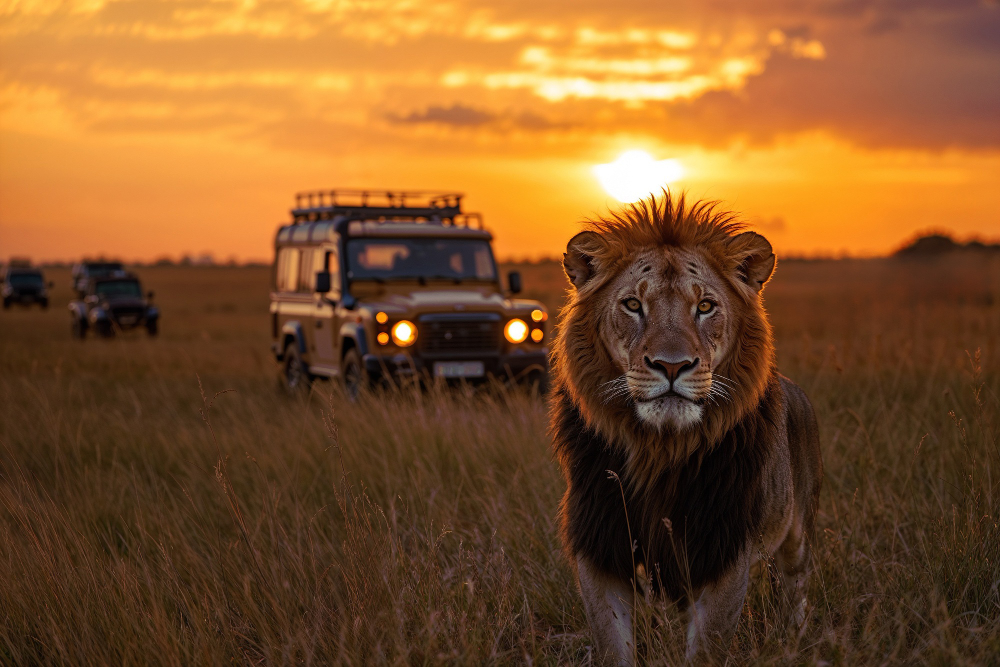
If you’ve ever been on a safari trip, you know the feeling. The early morning drive. The cool air. The quiet anticipation as your guide scans the horizon. Then suddenly, a movement. A lion stretches in the grass. An elephant crosses the road. A tiger appears between the trees.
Moments like these are why people fall in love with wildlife travel. But recently, something new has been happening behind the scenes. From India to Kenya to the Arctic, wildlife destinations are introducing stricter rules and setting new behaviour standards for visitors; to protect wildlife, improve safety, and preserve the magic of these encounters for future travellers. If you’re planning a safari in the near future, anywhere wildlife thrives, here’s what’s changing.
Mobile Phone Restrictions in Safari Zones
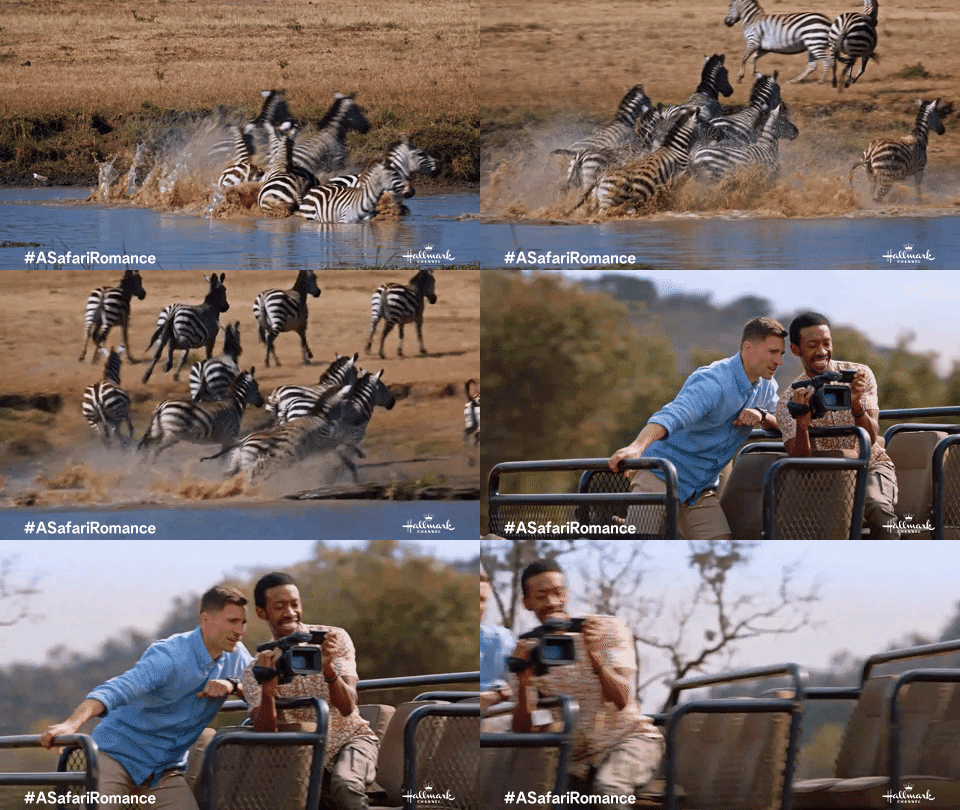
Using mobile phones freely during a safari was once completely normal. Visitors often took photos, recorded videos, and shared sightings instantly with loved ones. But recently, some wildlife destinations are introducing strict limits on phone use, and in certain cases, banning them entirely in sensitive safari zones.
Visitors may be asked to keep their phones silent, store them in a secure box, or avoid using them during wildlife encounters for safety and animal welfare. Dropped phones have caused risky situations where guides needed to retrieve devices near wildlife. Loud notifications and constant movement can also disturb animals, especially predators. By reducing phone use, parks are creating calmer, safer environments for both visitors and wildlife.
Limits on Safari Vehicle Numbers
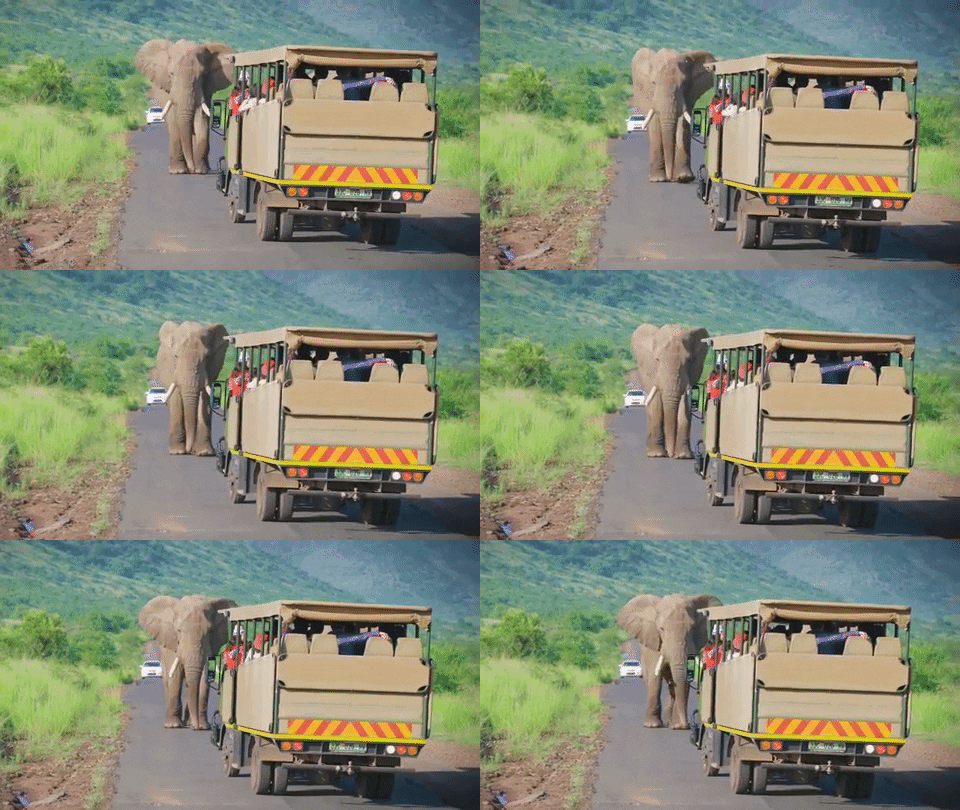
Previously, multiple safari vehicles could gather around the same animal sighting without strict limits. If a guide spotted wildlife, other vehicles would often rush to the same location, creating crowded scenes where animals became surrounded. Now, many wildlife reserves are introducing caps on the number of vehicles allowed in specific areas or near a particular animal.
Some parks also schedule entry times to spread visitors more evenly throughout the day. The reason for this change is simple: overcrowding stresses wildlife and disrupts natural behaviour. By controlling vehicle numbers, parks can reduce noise, protect habitats, and ensure animals can move freely without feeling threatened.
New Distance Rules Between Tourists and Wildlife
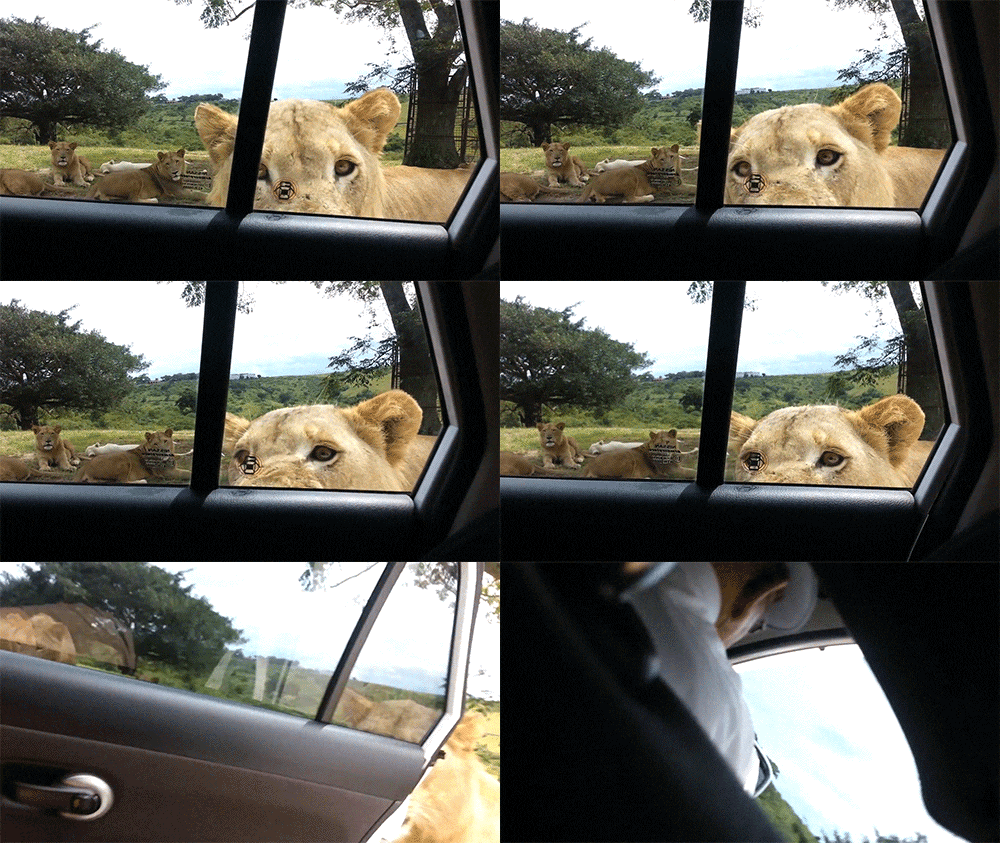
In the past, safari vehicles sometimes moved very close to animals to provide better viewing or photography opportunities. While this created dramatic encounters, it also increased the risk of accidents and disturbed wildlife.
In 2026, many destinations are enforcing minimum distance rules between visitors and animals. Guides must maintain a safe buffer zone, and vehicles are not allowed to block animal paths or approach too closely. These rules protect both sides; animals remain calm and behave naturally, while travellers enjoy safer, more respectful wildlife encounters.
Restrictions on Night Safaris and Sensitive Areas
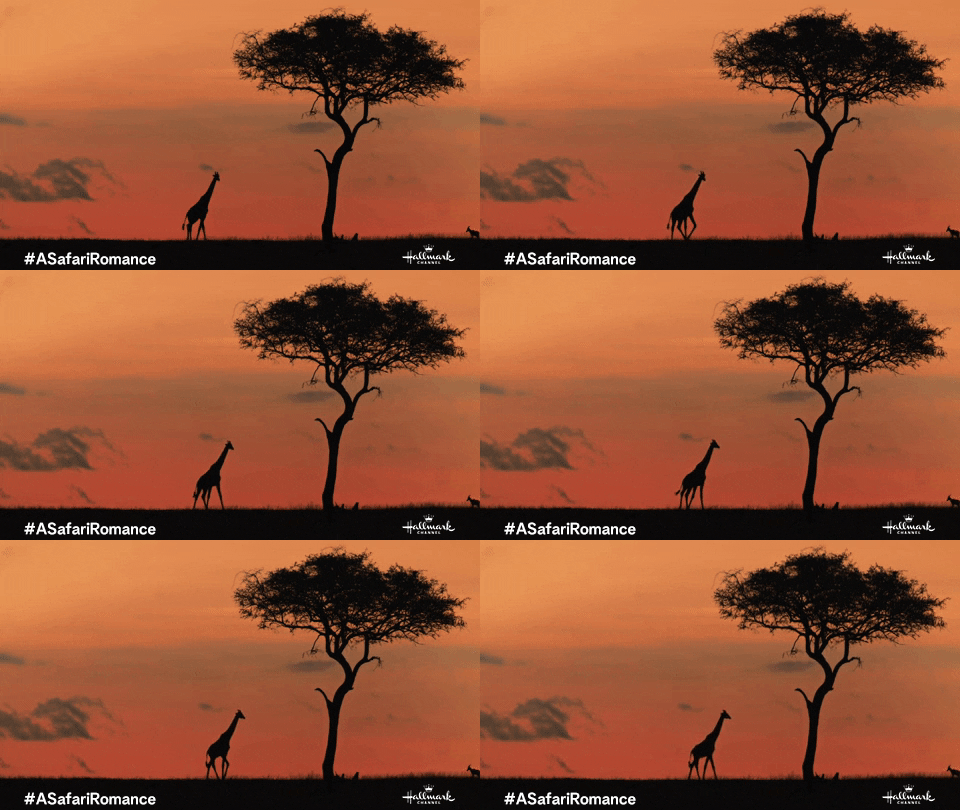
Night safaris used to be a popular way to see nocturnal animals, and development around wildlife reserves was often encouraged to support tourism growth. Now, some destinations are limiting or banning night drives and restricting development in fragile areas near wildlife habitats. Parks are also tightening access to core conservation zones where animals need uninterrupted space.
The reason behind this shift is conservation. Wildlife depends on predictable environments to survive. Reducing nighttime disturbance and protecting key habitats helps maintain healthy ecosystems, which ultimately keeps safari tourism sustainable for years to come.
How to Prepare for Your Next Safari Trip
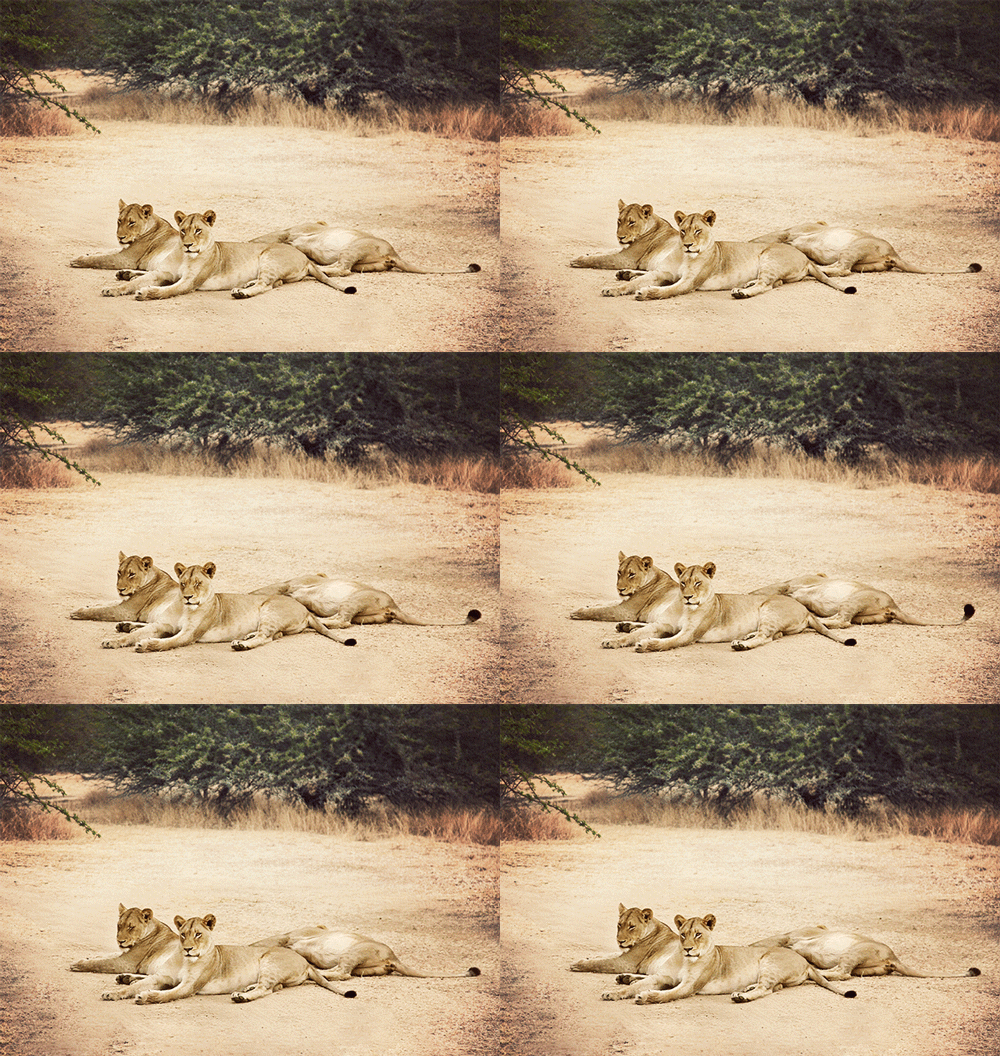
To prepare for your trip, it helps to adjust your expectations and travel mindset. Think of your safari as an opportunity to observe wildlife respectfully rather than chase dramatic moments.
- Listen closely to your guide, follow instructions, and stay patient during sightings. Sometimes the most memorable encounters happen when you simply watch and wait.
- Packing smart also makes a difference. Bring comfortable clothing, binoculars, and a camera if allowed, but be ready to keep devices stored when required.
- Most importantly, arrive with curiosity and an open mind, because every safari is unique.
These small adjustments can turn a good safari into an unforgettable one.
Final Thought
Safari travel is evolving, but its magic hasn’t changed. Wildlife destinations are introducing new rules not to limit adventure, but to protect the very experiences that travellers come to enjoy. By managing tourism more carefully, parks are ensuring that animals remain safe, ecosystems stay healthy, and future visitors can continue to witness wildlife in its natural habitat.
Use QVI Vacay for your next trip to enjoy exclusive travel deals. Send a sign-up request to help@myqvi.com or call +60386053383 to get started.