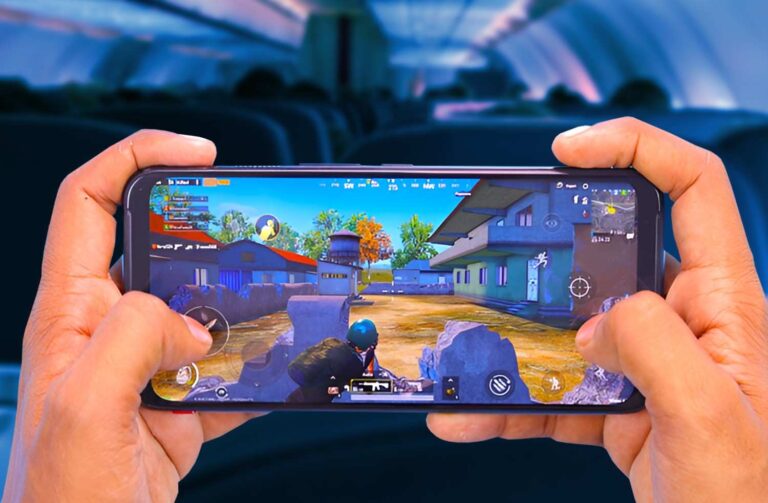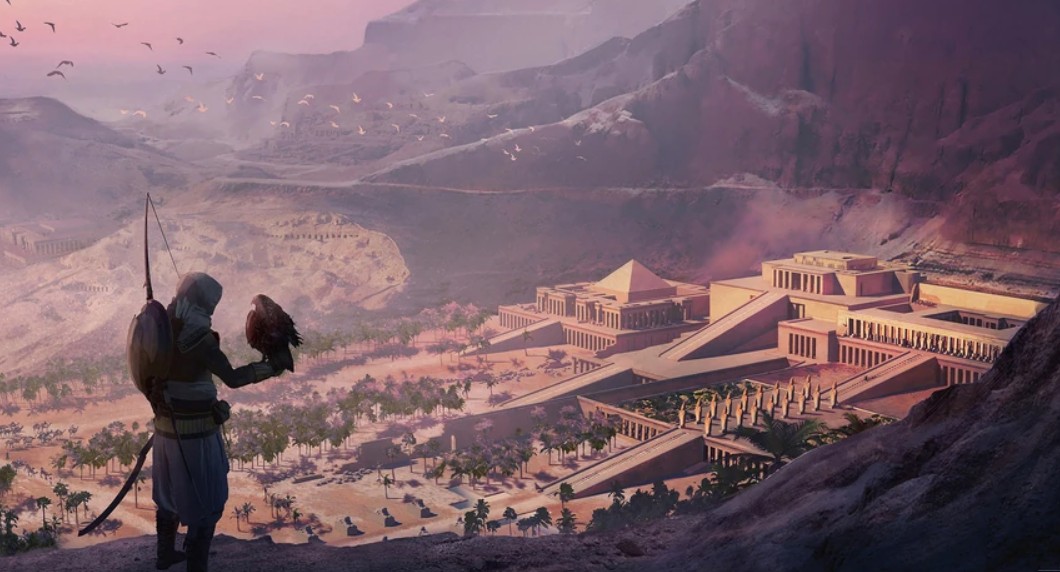
Some games do more than keep players entertained. They make places unforgettable. One minute, a player is climbing ancient temples, walking across Renaissance rooftops, crossing old city squares or riding through windswept landscapes on screen. The next, they are wondering what it would feel like to stand there for real. That is the magic of destination-led gaming. A game can introduce a place long before a traveller ever books a flight.
Of course, game worlds are not always perfect copies of real life. Developers often adjust distances, rebuild damaged structures, simplify cities or add creative touches to make the experience more exciting. Still, the best games can capture the feeling of a destination so well that visiting the real place feels like stepping into a memory. For gamers who love travel, and travellers who love a good story, these 6 historical places are worth seeing beyond the screen.
1. Temple of Hatshepsut, Luxor, Egypt
Seen in: Assassin’s Creed Origins
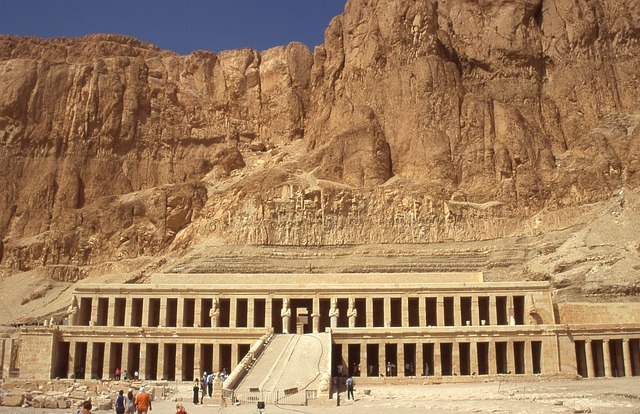
Some places already look like they were designed for a game, and the Temple of Hatshepsut is one of them. Built into the cliffs of Deir el-Bahari near Luxor, this ancient mortuary temple rises in terraces against a dramatic desert backdrop. In Assassin’s Creed Origins, Ancient Egypt feels vast, golden and alive, but places like this make the real world feel even more impressive.
The best part is how recognisable the setting can feel. The sharp lines, stone columns, mountain wall and open desert space all create that strange feeling of, “Wait, I’ve seen this before.” In real life, it is not just a beautiful structure. It is part of the ancient Theban landscape, close to the Valley of the Kings and other major monuments, which help explain why Luxor is often described as one of the world’s greatest open-air museums.
Honourable mention: The Giza Plateau. For players who explored pyramids, tombs and desert paths in Origins, seeing the Pyramids of Giza in person is another level of unreal.
2. Tsushima Island, Japan
Seen in: Ghost of Tsushima
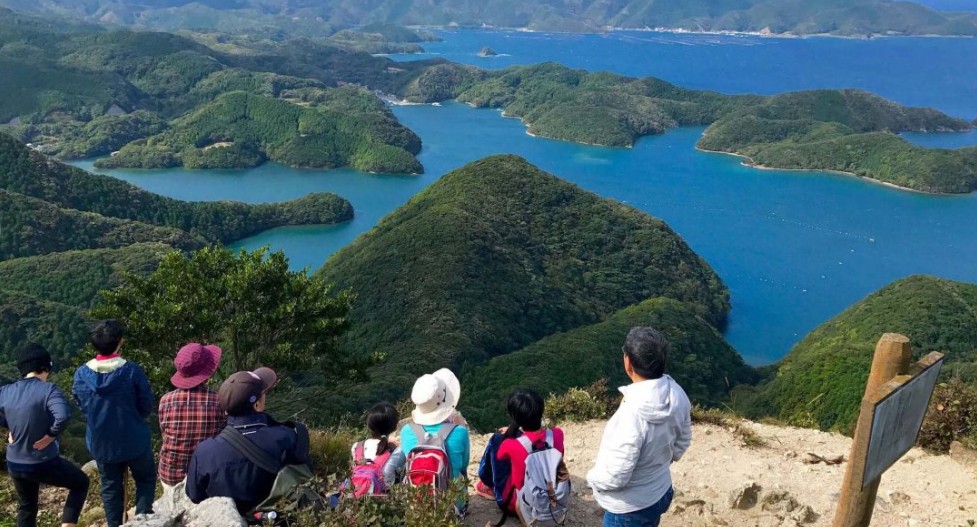
Ghost of Tsushima did something many games dream of doing: it made players want to visit a place they may not have known much about before. The real Tsushima is a Japanese island between mainland Japan and the Korean Peninsula. It has forests, coastlines, mountain views, shrines, beaches and historical links to the Mongol invasions of Japan.
The game is not a stone-for-stone recreation of the island. It is a fictionalised, cinematic version inspired by the real place and its history. Still, the emotional connection is strong. Players who remember riding through fields, following the wind and stopping at quiet viewpoints may find the real Tsushima more peaceful, slower and more grounded than the game.
That is part of the appeal. This is definitely not a destination for rushing. It is for travellers who want nature, history and that rare feeling of visiting somewhere that still feels away from the obvious tourist path.
3. The Acropolis, Athens, Greece
Seen in: Assassin’s Creed Odyssey
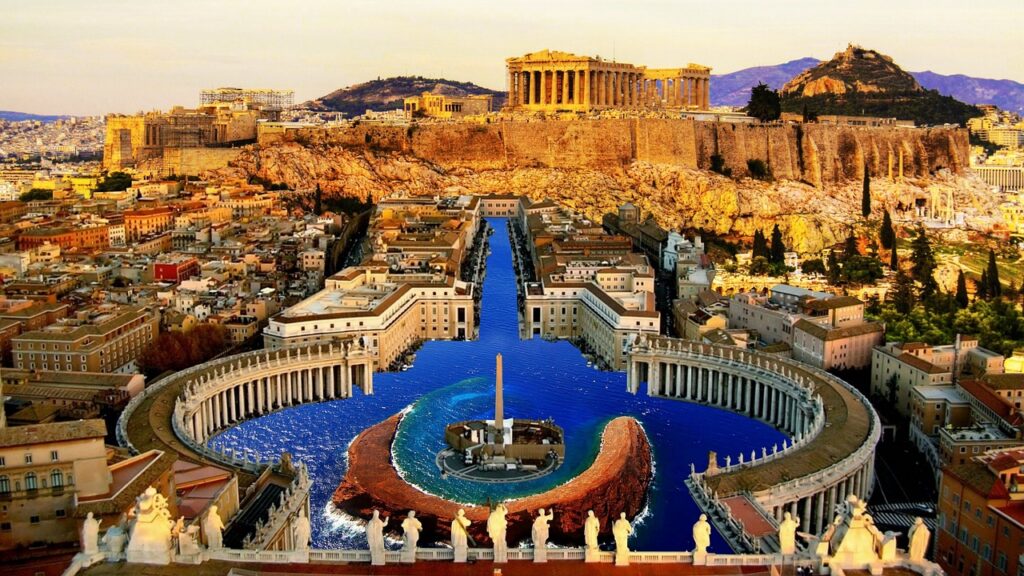
For many players, Assassin’s Creed Odyssey made Ancient Greece feel like a living world of temples, statues, markets, islands and sunlit marble. The Acropolis of Athens is one of the strongest real-life places to visit after playing it. Standing high above the city, the Acropolis is home to the Parthenon and several other ancient structures that shaped how people imagine classical Greece. In the game, it feels grand. In real life, it feels even bigger because modern Athens stretches around it in every direction.
That contrast is what makes the visit special. You are not just looking at ruins. You are standing where ancient history and everyday city life meet. Below, traffic moves, cafés buzz and neighbourhoods continue as normal. Above, the stones tell a much older story, as it is one of the most powerful heritage sites in Europe.
4. Kutná Hora, Czechia
Seen in: Kingdom Come: Deliverance II
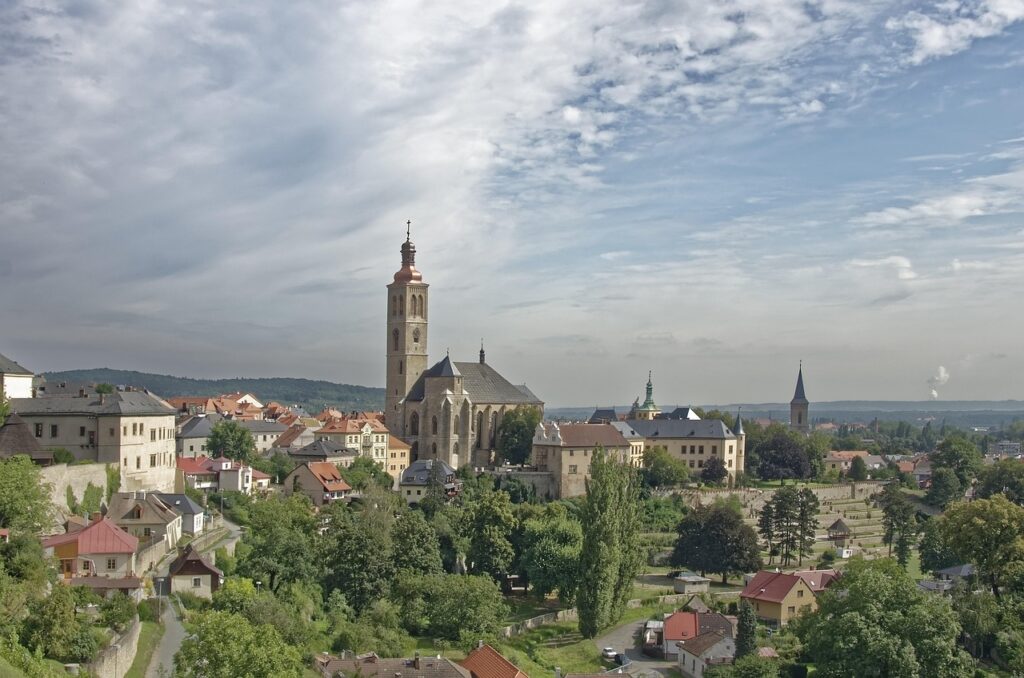
Kutná Hora may not have the instant global fame of Paris or Rome, but that is exactly why it belongs on this list. This historic Czech city brings medieval Europe to life in a way that feels incredibly fitting for Kingdom Come: Deliverance II. The game is set around 15th-century Bohemia, and Kutná Hora, known historically as Kuttenberg, plays a major role in its world.
In real life, the city is a UNESCO World Heritage destination with Gothic architecture, old streets, churches and a strong medieval identity. The highlight for many travellers is the Church of St Barbara, but the entire old town rewards slow wandering. This is a great pick for gamers who want something different from the obvious blockbuster cities. It feels less like visiting a famous monument and more like walking into a historical setting that still has its old bones intact.
5. Edinburgh Castle and the Royal Mile, Scotland
Seen in: Forza Horizon 4
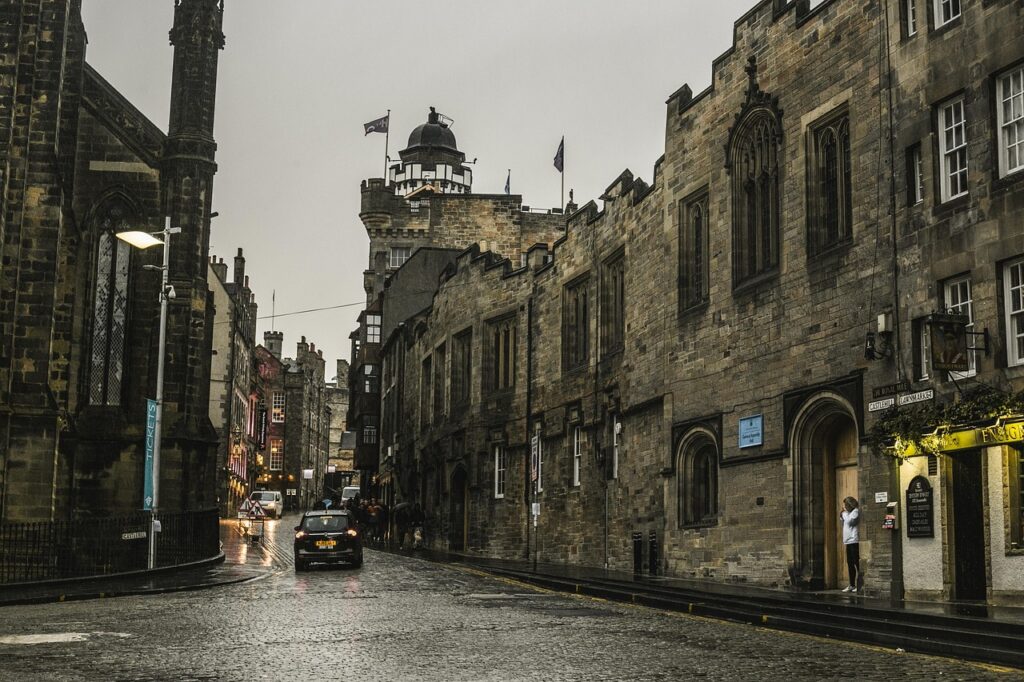
Forza Horizon 4 made driving through Britain feel like a holiday with engines. Its world included countryside roads, changing seasons and historic British locations, but Edinburgh gave the game one of its strongest city moments. For travellers, Edinburgh Castle and the Royal Mile offer a real-life version of that grand Scottish atmosphere.
The castle sits high over the city, while the Royal Mile stretches through the Old Town, lined with stone buildings, narrow closes, shops, pubs, and street life. Even without the speed and festival energy of the game, the real city has its own drama. It is walkable, atmospheric and full of history. Gamers may come for the Forza feeling, but non-gamers will still find plenty to love in the views, stories and architecture. This is one of the easiest destinations on the list to enjoy slowly. No controller needed.
6. Hagia Sophia, Istanbul, Türkiye
Seen in: Assassin’s Creed Revelations
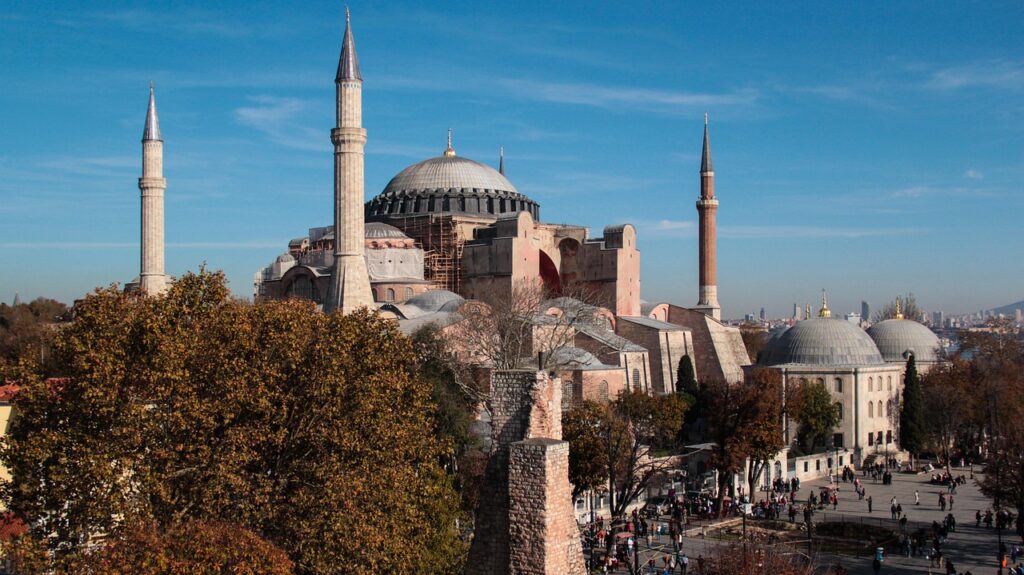
Istanbul already feels like a city with layers, and Hagia Sophia may be one of its greatest symbols. In Assassin’s Creed Revelations, players explored a version of Constantinople filled with domes, towers, bazaars and rooftops. Hagia Sophia stood out because it captured the feeling of a city between worlds. In real life, it is even more powerful.
The building has had many lives over the centuries, and its architecture reflects the city’s long Byzantine and Ottoman history. Its huge dome, vast interior and position in Istanbul’s historic heart make it one of those places where travellers naturally slow down. For gamers, visiting Hagia Sophia can feel like moving from digital atmosphere into living history. For non-gamers, it is still one of the most important stops in Istanbul.
Honourable mention: Galata Tower. It adds another strong “I have seen this city from above” moment for travellers who loved the skyline feeling of Revelations.
Turn a Game Memory Into a Real Trip
Games can introduce travellers to places in a surprisingly personal way. A temple becomes familiar before the flight is booked. A city square feels recognisable before the first step. A skyline, castle, cathedral or island starts living in the mind long after the console is turned off. That is what makes gaming and travel such a fun combination. The game gives you the first memory. The real destination gives you the full experience.
Use QVI Vacay for your next trip to enjoy exclusive travel deals. Send a sign-up request to help@myqvi.com or call +60386053383 to get started.