Some coastlines are beautiful. Others feel like they come with a story already attached. Between Rome and Naples, along the Tyrrhenian Sea, there is a stretch of coastline where beaches, cliffs, caves, Roman ruins and ancient myths meet in one dramatic setting. It is known as the Riviera di Ulisse, or the Riviera of Ulysses. For travellers dreaming of Italy beyond the usual crowded seaside spots, this under-the-radar coast offers something different. It has the blue water and beach-town charm people expect from an Italian holiday. But it also has a mythical edge, the kind that makes the landscape feel older, stranger and more memorable.
Riviera of Ulysses
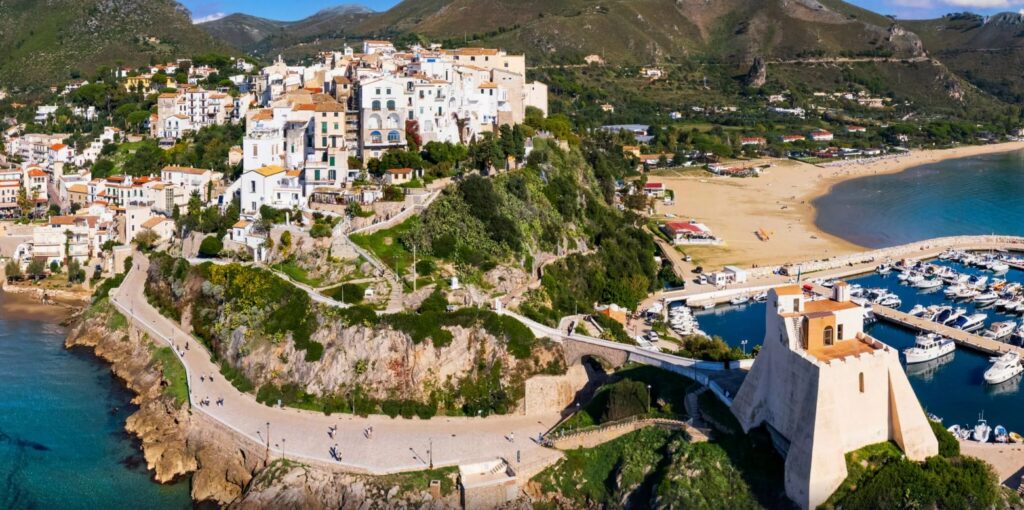
The Riviera of Ulysses lies in southern Lazio, between Rome and Naples. It is commonly linked with coastal towns such as Sperlonga, Terracina, Gaeta and Formia, along with nearby parks, beaches and archaeological sites. Its name comes from Ulysses, also known as Odysseus, the wandering hero of The Odyssey. Over time, parts of this coast became connected with stories from the ancient epic, especially Monte Circeo, which local tradition associates with Circe, the sorceress who turned Odysseus’s men into pigs. The point is not whether every myth happened exactly here. The beauty is that the landscape makes the stories easy to imagine.
Visit Sperlonga for Beaches and Ancient Storytelling
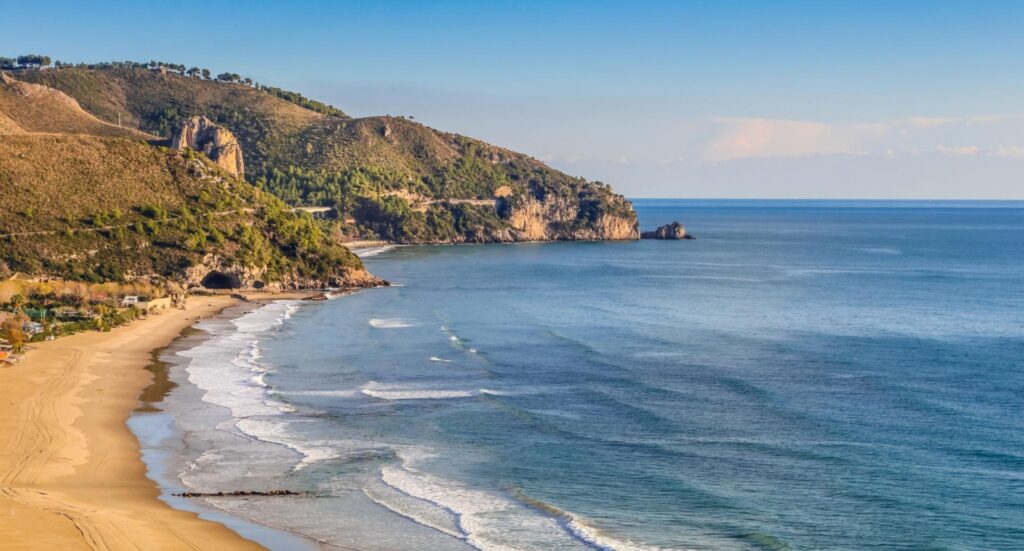
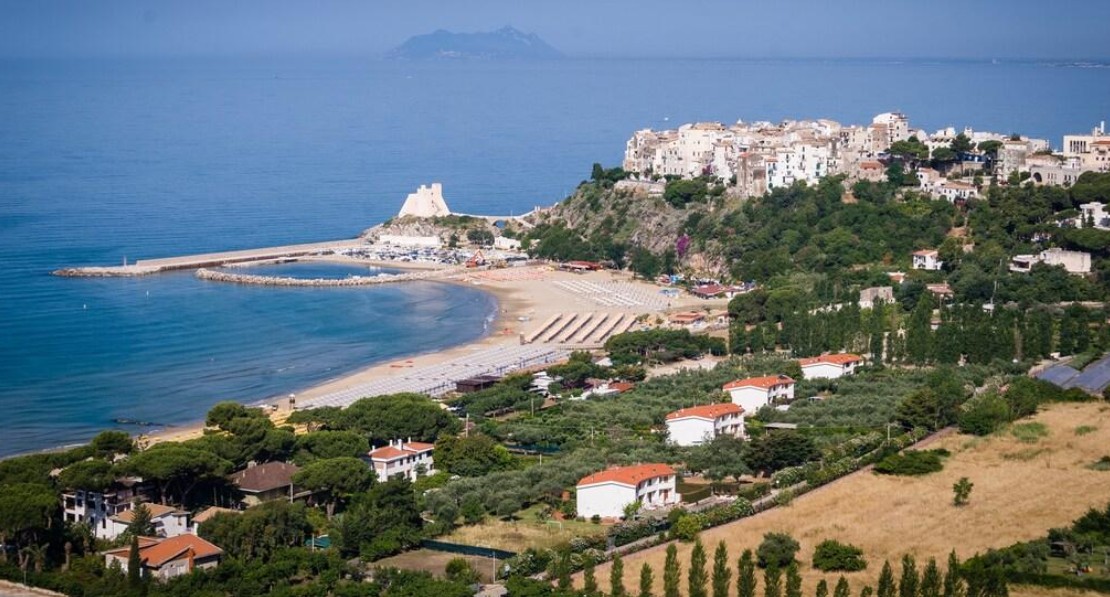
Sperlonga is one of the best places to start. At first, it looks like a classic Italian seaside town, with whitewashed houses, narrow lanes, blue water and a relaxed beach atmosphere. But just outside town is the Villa of Tiberius and the National Archaeological Museum, one of the strongest links between this coast and the world of Ulysses.
The museum displays marble sculptures found in the emperor’s seaside villa, including dramatic scenes connected to Christopher Nolan’s The Odyssey, such as the blinding of Polyphemus and the attack of Scylla. That makes Sperlonga feel like two trips in one. You definitely can spend part of the day by the sea, then step into a Roman setting where myth, art and imperial history meet.
Hike Monte Circeo for the Circe Connection
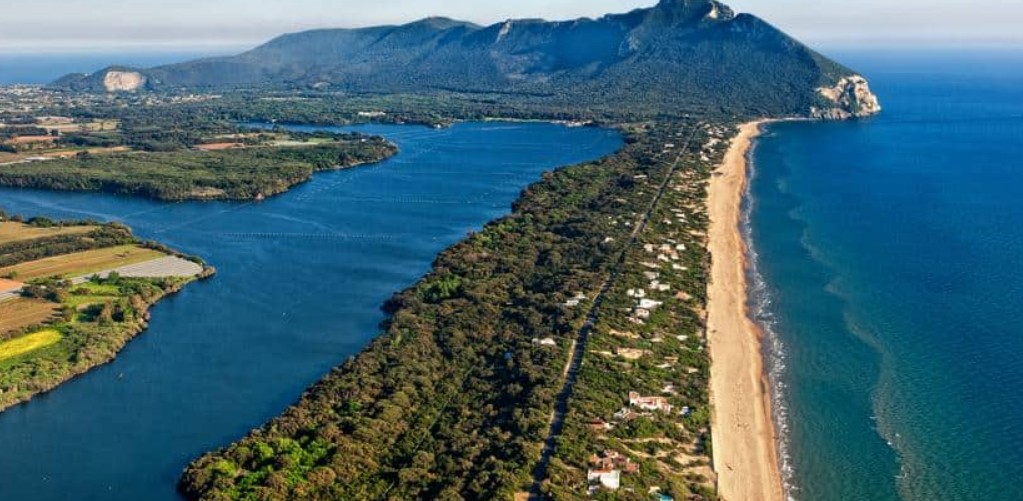
Monte Circeo is the coastline’s most mythical-looking landmark. Rising near the sea, the promontory has long been associated with Circe. From certain angles, it almost looks like a figure resting above the water, which makes the legend even easier to believe. Today, the area is part of Circeo National Park, a protected landscape of forests, dunes, lakes, cliffs and hiking routes. For active travellers, this is where the coast becomes more than beaches. A hike or scenic drive around the area brings wide sea views, wild greenery and that strange feeling of walking through a place that has collected stories for centuries.
Explore Gaeta for Cliffs, Caves and Seaside Views
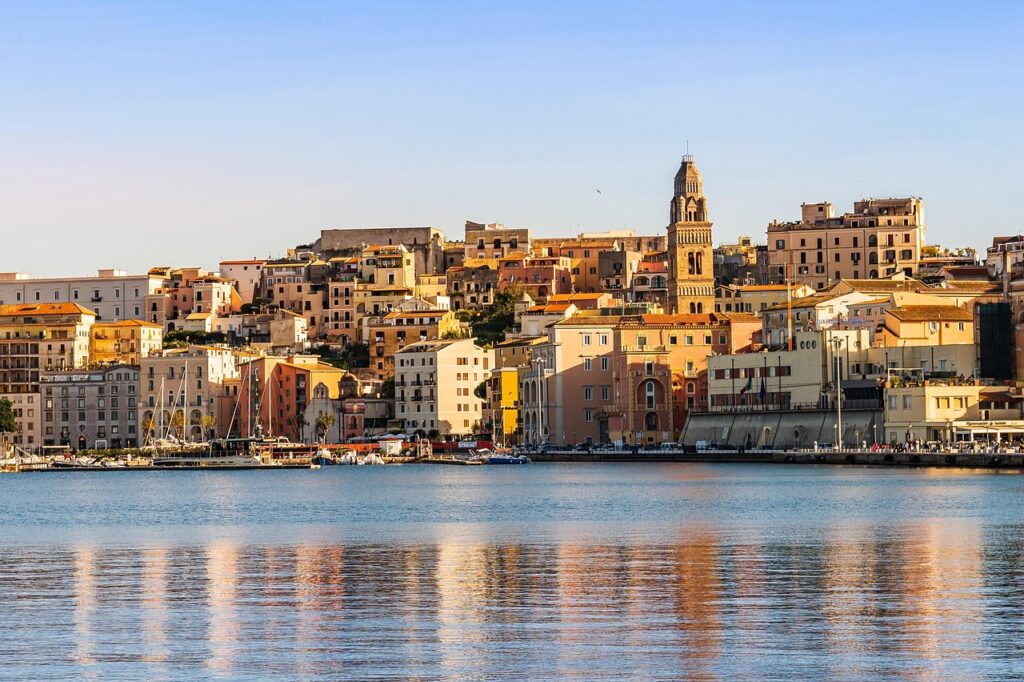
Gaeta brings a slightly more dramatic side to the Riviera. The town is known for beaches, sea views, an old centre and natural landmarks that make it ideal for travellers who like a little adventure with their coastal escape. One of the most famous stops is Montagna Spaccata, or the Split Mountain, where cliffs, sea air and religious tradition come together in a striking setting.
Gaeta also works well for slow wandering. If you find yourself here, you can explore the old town, enjoy delicious lunches, walk along the coast and take in the views without feeling like you are following the exact same route as everyone else in Italy. It has enough beauty to impress, but enough local rhythm to feel real.
Add Terracina and Formia for a More Local Feel
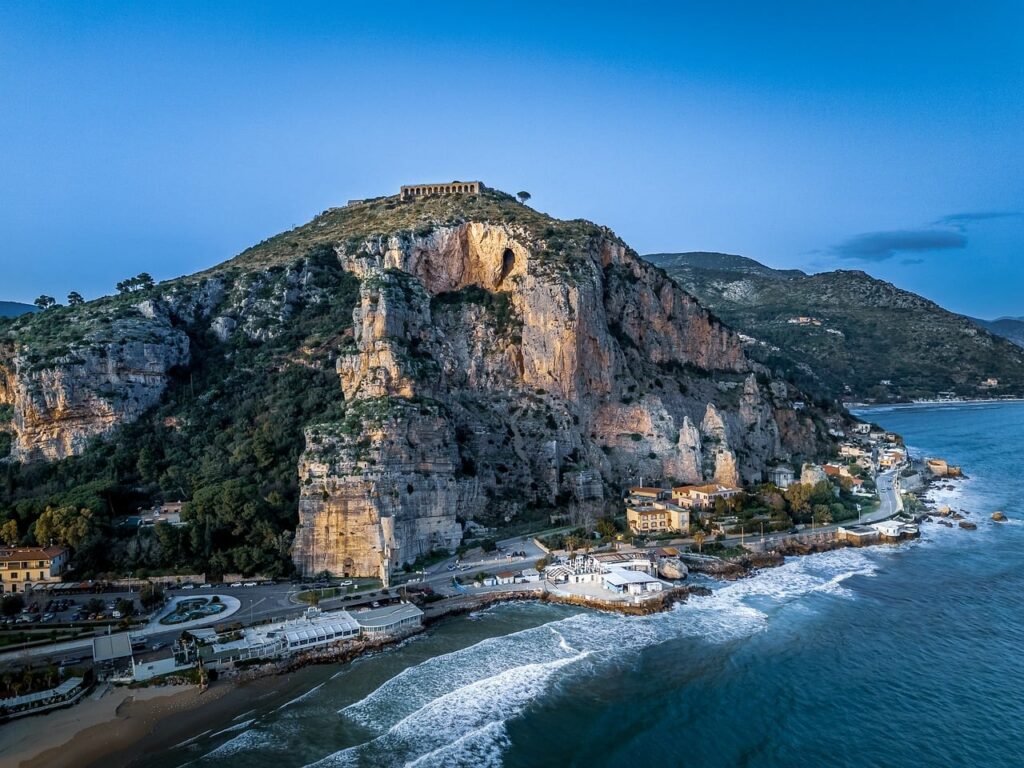
Terracina and Formia help show the Riviera of Ulysses as a living coastline, not just a myth-filled travel idea. Terracina combines beach life with history, including the Temple of Jupiter Anxur, which sits atop the town, offering sweeping views of the sea. Down below, you will find a more everyday Italian rhythm of restaurants, beach clubs, piazzas and evening walks.
Formia has its own coastal charm, with a harbour, sea views and easy access to nearby towns and beaches. These places may not have the instant international fame of Amalfi or Capri, but that is part of the appeal. They give travellers a softer version of the Italian seaside, with more space to slow down and less pressure to chase the perfect photo.
Final Thoughts
The Riviera of Ulysses is proof that Italy still has quieter coastal stories to tell. It may sit between two famous cities, but it has its own identity: mythical mountains, Roman ruins, old seaside towns, protected landscapes and beaches that feel made for slow travel. If you’re planning an Italian holiday, it can work as a refreshing alternative to the country’s busier seaside escapes, or as an add-on between Rome and Naples.
With QVI Vacay, you can explore stays in and around nearby Italian destinations and plan a comfortable base from which to discover this myth-filled coast at your own pace. Because sometimes, the best part of a trip is not just seeing a beautiful place. It is feeling like you have stepped into a story.
Send your sign-up request to help@myqvi.com or reach us at +60386053383 to get started with QVI Vacay.