7 FIFA World Cup Facts That Prove Football Has Always Been a Travel Story

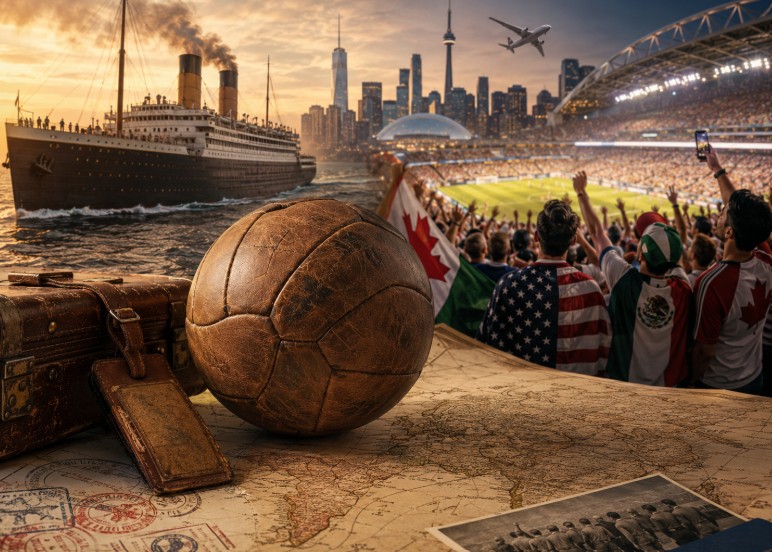
Football fans love talking about goals, trophies, rivalries, and dramatic finals. But here’s the fun part: the FIFA World Cup has always been more than a football tournament. From the very beginning, it has been a travel story too. Teams crossed oceans to get there. Fans filled unfamiliar cities. Countries used the tournament to introduce themselves to the world. And every four years, football gave people a new reason to discover places they may never have thought about visiting before. So before the 2026 FIFA World Cup turns North America into one giant football travel map, let’s look back at some World Cup fun facts that even football fans might not know.
1. The First World Cup Was Basically a Football Trip by Ship
The first FIFA World Cup took place in Uruguay in 1930, but getting there was nothing like modern tournament travel. No quick flight. No airport lounges. No hotel booking apps. Many European teams had to travel by train and ship just to reach South America. France, Belgium, and Romania travelled together on the SS Conte Verde, along with FIFA President Jules Rimet and the trophy itself. Today, fans complain about long airport queues. Back then, just reaching the tournament was already an adventure.
2. The Entire First World Cup 1930 Happened in One City

The modern World Cup feels massive because it spans multiple cities, stadiums, fan zones, hotels, airports, and travel routes. But in 1930, everything happened in Montevideo, Uruguay. That’s it. One city carried the entire tournament. All the matches were Смотретьed across three stadiums in the Uruguayan capital, which sounds almost impossible compared to what the World Cup has become today. For travellers, that would have been the easiest World Cup plan ever: arrive in Montevideo, stay there, watch football history unfold. Simple. Efficient. Beautifully old-school.
3. A Dog Once Saved the World Cup Trophy

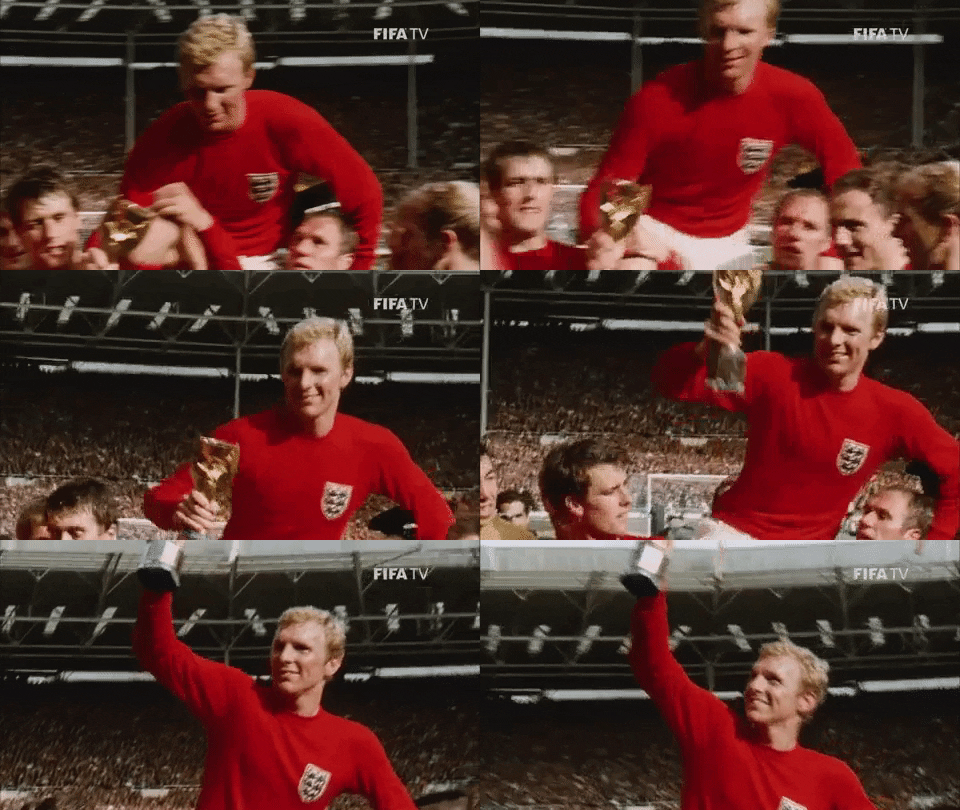
This sounds like something from a football cartoon, but it really happened. Before the 1966 World Cup in England, the Jules Rimet Trophy was stolen while on public disСмотреть in London. Naturally, panic followed. The tournament was coming, but football’s biggest prize had somehow disappeared. Then came Pickles: a black-and-white collie mix dog out for a walk with his owner, who found the trophy wrapped in newspaper under a hedge in South London. Just like that, one of the strangest mysteries in World Cup history was solved by a very good boy.
4. Brazil Got to Keep the Original Trophy Forever
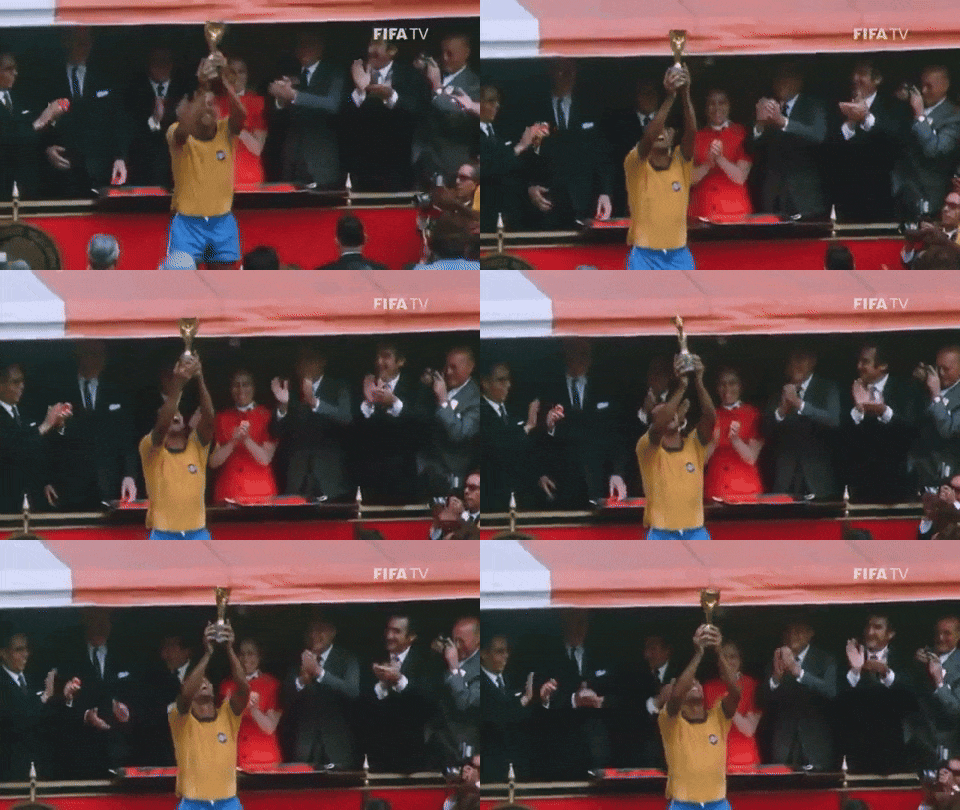
The trophy lifted today is not the same one used in the early World Cups. The original trophy was the Jules Rimet Trophy, and Brazil earned the right to keep it permanently after winning the World Cup for the third time in 1970. That means the trophy Uruguay lifted in 1930, and Brazil claimed in 1970, belongs to a different era of football history. The current FIFA World Cup Trophy was introduced after that, giving future tournaments a new symbol.
5. The Biggest World Cup Crowd Was Almost Unbelievable
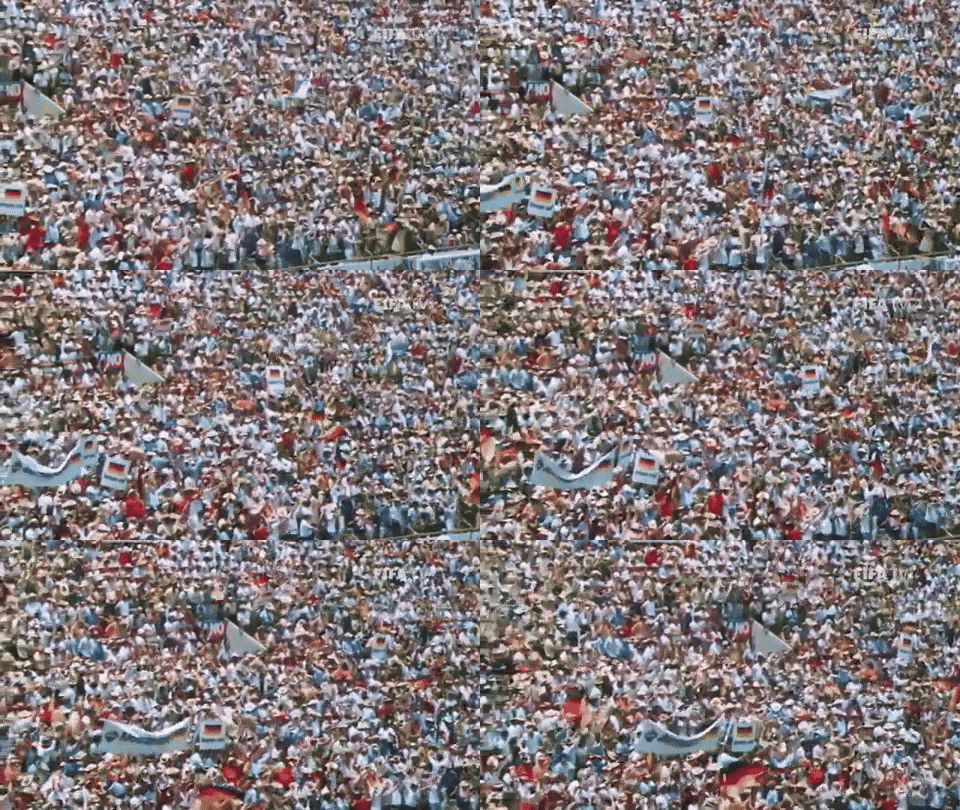
Some World Cup matches feel huge on TV. But nothing quite compares to Brazil versus Uruguay at the Maracanã in 1950. The official attendance was 173,850 people, making it the largest official crowd ever recorded for a FIFA World Cup match. Unofficial estimates suggest even more people may have been inside the stadium. To put that into perspective, that‘s a small city watching one football match. And the result made it even more unforgettable. Brazil were expected to win, but Uruguay shocked the hosts 2-1 in a match reЧлен клубаed as the Maracanazo.
6. The World Cup Has Always Changed How People See Countries
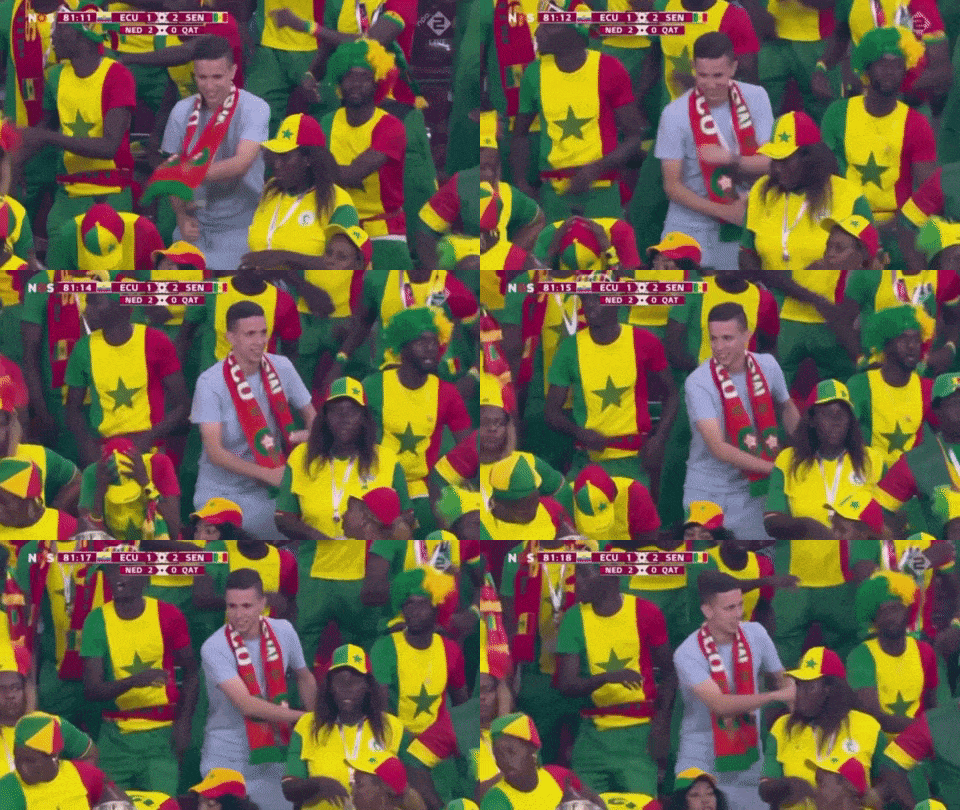
The World Cup has a funny way of putting countries on the travel map. Sometimes people first notice a place because of football, then slowly become curious about the culture, food, cities, music, landscapes, and people behind the tournament. Uruguay in 1930 showed the world a small South American country with a huge football identity. South Africa in 2010 introduced many fans to a different rhythm of football atmosphere. Brazil 2014 reminded the world that football and national culture can feel inseparable. That is the beauty of the tournament. It shows more where football lives than who wins it. And for travellers, that can be the beginning of a much bigger curiosity.
7. The 2026 World Cup Is the Next Big Travel Chapter

The 2026 FIFA World Cup will be the first edition hosted across three countries: Canada, Mexico, and the United States. It will also be the first World Cup with 48 teams and 104 matches. The tournament that began in one city in 1930 will now span 16 host cities across North America. This massive shift will see fans planning match days, routes, stopovers, city breaks, food adventures, and maybe even full football road trips. That makes World Cup 2026 a reminder of how far the tournament has travelled, from teams sailing to Uruguay in 1930 to fans exploring three countries through football in 2026.
Заключительные мысли
The World Cup has always been about more than ninety minutes on the pitch. It has been about journeys, cities, fans, surprises, and the strange little stories that make football feel bigger than sport. A ship once carried teams and the trophy across the ocean. One city once hosted the whole tournament. A dog once rescued football’s biggest prize. A stadium once held a crowd so large it still sounds unreal. And now, in 2026, the tournament is entering its biggest travel chapter yet. So whether you’re a lifelong football fan or just someone who loves travelling around major events, the World Cup is proof of one thing: Football doesn’t just move people emotionally, it moves them around the world.
Use QVI Vacay for your next trip to enjoy exclusive travel deals. Send a sign-up request to help@myqvi.com or call +60386053383 to get started.