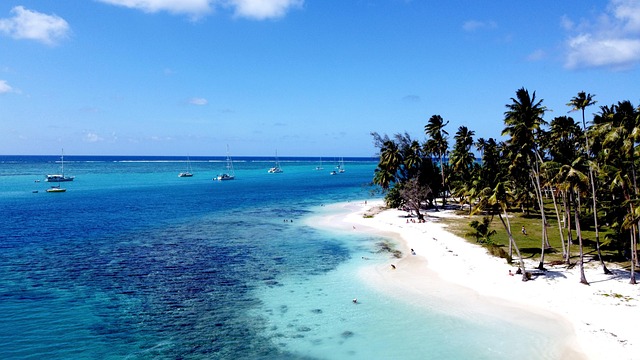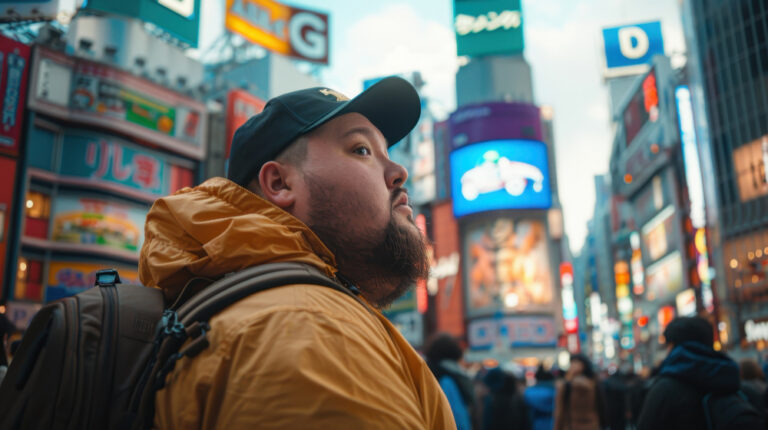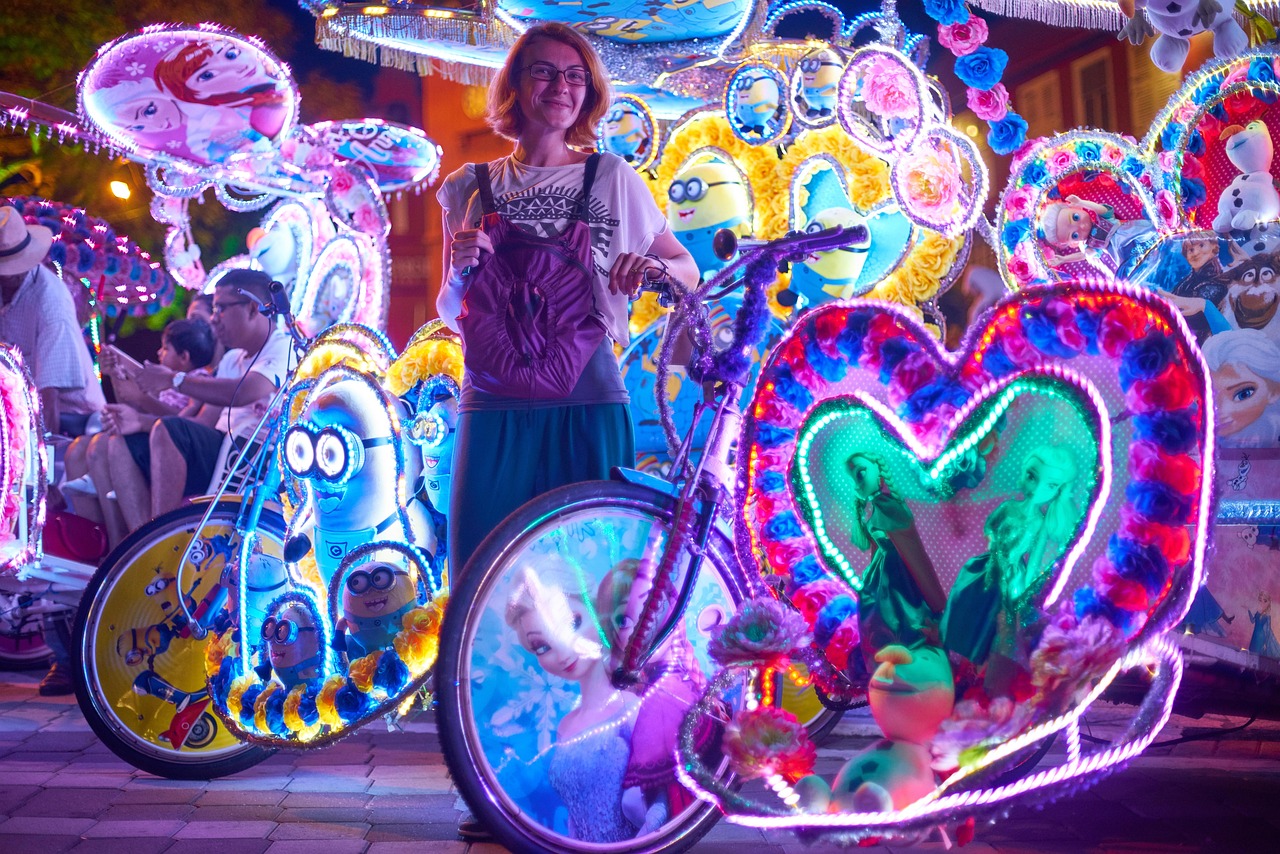
Most travellers know how to plan the big parts of a holiday. Book the flight. Choose the hotel. List the famous attractions. Find the restaurants everyone is talking about. But sometimes, the moments that stay with you are not the grand ones. It could be the snack you found in a local supermarket. The quiet street you walked down after breakfast. The public bus ride that showed you how the city wakes up. Or the small café where nobody seemed to be in a hurry. That is where Tiny Tourism comes in.
What Is Tiny Tourism?
Tiny Tourism is a travel mindset that focuses on small, everyday experiences instead of only chasing major attractions. It is about noticing the little things that make a place feel real. A local grocery store. A neighbourhood bakery. A park bench. A train ride. A pharmacy shelf. A corner shop. A morning market. A quiet residential street. These are not the places that usually appear on postcards, but they often reveal how people actually live.
Start With the Supermarket

Credit: Giphy
A supermarket may not sound exciting until you visit one in another country. Suddenly, everything feels interesting. The snacks are different. The drinks are different. The packaging is different. Even familiar products may have flavours you have never seen before. It is one of the easiest ways to understand what people buy, cook, eat and carry home. Travellers do not need to spend much. Pick one local snack, one drink or one small item that feels specific to the place. It is simple, affordable and surprisingly fun. A supermarket is basically a tiny museum of everyday life, except you can eat the exhibits.
Take Public Transport at Least Once
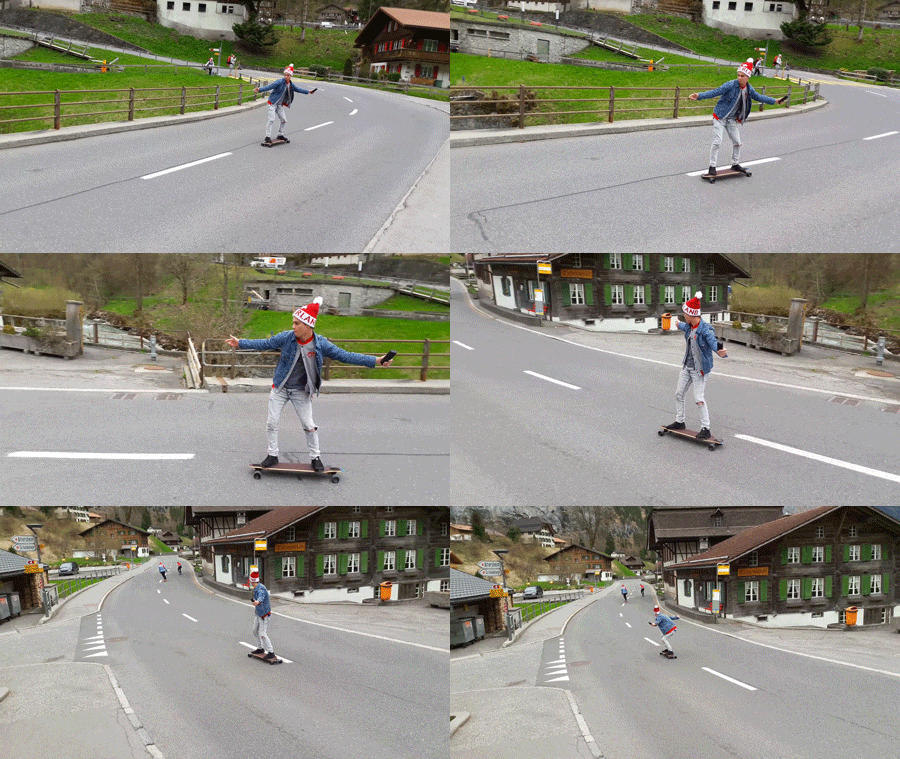
Taxis and ride-hailing apps are convenient, but public transport gives a different view of a city. A metro, tram, ferry, bus or local train shows how people move through their day. You notice school children, office workers, market bags, station signs, street musicians, sleepy commuters and the little habits that make each place feel different. It also helps travellers understand the layout of a destination better. Of course, safety and comfort should come first. But when it makes sense, one public transport ride can make a place feel less like a tourist zone and more like a living city.
Walk One Street Away From the Crowd
Some of the best travel moments happen just outside the busiest areas. Not far. Just one or two streets away. The souvenir shops become local stores. The crowded restaurants turn into quieter cafés. The noise drops. The buildings look more lived-in. This does not mean wandering carelessly or entering unsafe areas. It simply means not staying glued to the same route as everyone else. A small turn can reveal a bakery, a garden, a mural, a bookshop or a normal street scene that feels more memorable than expected. Tiny Tourism often begins with curiosity.
Buy One Small Local Thing

Not every souvenir needs to be a magnet, keychain or printed T-shirt. A tiny tourist looks for something more ordinary. A notebook from a local stationery shop. A tea blend. A packet of biscuits. A handmade soap. A spice mix. A reusable shopping bag. A local candy. A small skincare item from a pharmacy. These objects may not scream “holiday souvenir,” but they can carry stronger memories. Every time you use them later, they bring back the place in a quieter way. The best souvenirs are not always the loudest ones.
Do One Ordinary Activity

Try doing something normal while travelling. Go for a morning walk. Sit in a neighbourhood park. Visit a local bakery. Browse a bookstore. Do laundry. Join a simple class. Buy fruit from a market. Watch how people spend a regular afternoon. These ordinary activities can help travellers feel the pace of a destination. They also create breathing space between the big attractions. A holiday does not need to be exciting every minute to be meaningful. Sometimes, the ordinary parts are what make the destination feel personal.
Ask Better Questions
Asking locals for tips can be helpful, but the question matters. Instead of asking, “What is the most famous place here?” try asking: “Where do people go on a normal weekend?” Or: “What is one place visitors usually miss?” These questions invite more interesting answers. Still, travellers should be thoughtful. Locals are not unpaid tour guides, and not every suggestion will fit the schedule. Some places may be closed, far away or not practical. Take recommendations lightly. Use them as a starting point, not a strict mission.
Still See the Big Sights
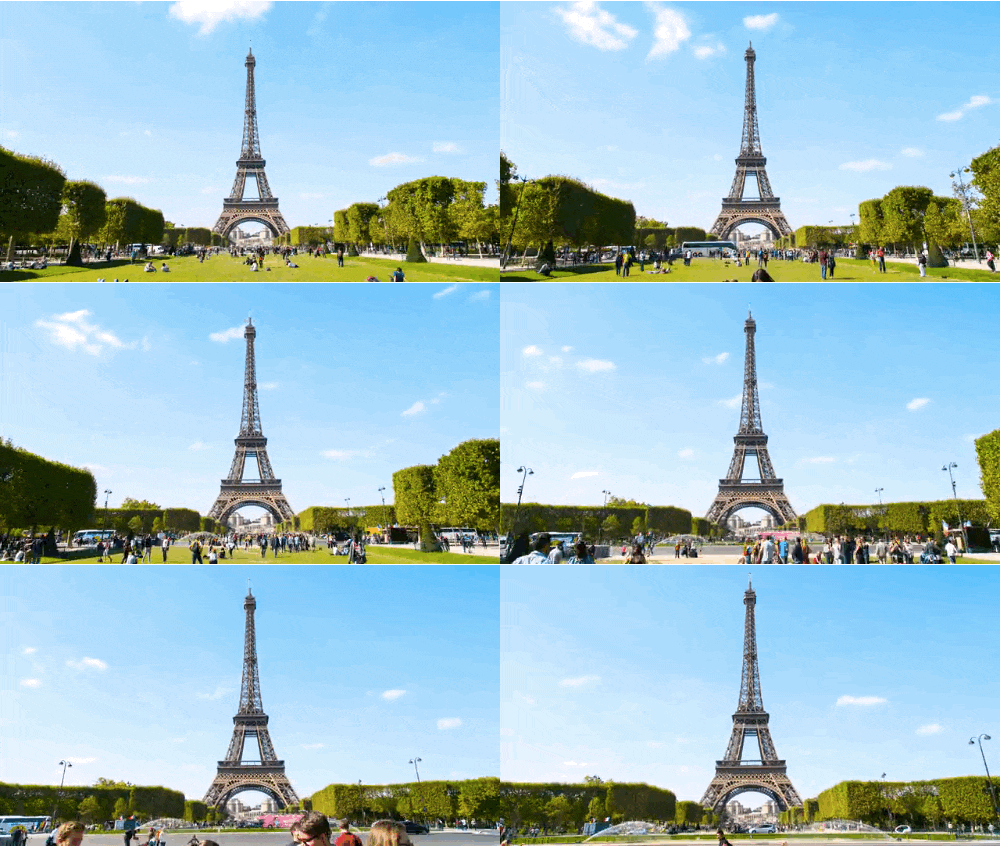
Tiny Tourism should not turn into travel guilt. Nobody should visit Paris and feel bad about seeing the Eiffel Tower. Nobody should visit Rome and avoid the Colosseum just to prove a point. Famous attractions matter because they tell part of the destination’s story. The better approach is balance. See the big sight, then stay curious after that. Visit the landmark, then explore the streets around it. Take the photo, then put the phone away and notice what else is happening nearby. A great trip can include both the main course and the side dishes.
Final Thoughts
Tiny Tourism is not about ignoring the famous attractions. It is about paying attention to everything else too. The snack aisle. The side street. The morning commute. The quiet park. The small shop. The ordinary routine that suddenly feels interesting because it belongs to somewhere new. Those little moments may not always look impressive on an itinerary. But they often become the memories travellers talk about the most. So on the next holiday, see the sights. Then go tiny.
Use QVI Vacay for your next trip to enjoy exclusive travel deals. Send a sign-up request to help@myqvi.com or call +60386053383 to get started.